Approachable wellness, every day

Build healthy habits with guidance you can trust and snacks you’ll actually enjoy.

Zest for Health Hub brings practical wellness education, supportive programs, and curated better-for-you snacks together in one calm, non-judgmental place.

  • Practical resources
  • Interactive workshops
A smiling wellness coach at a bright kitchen table with bowls of granola cereal, oat muffins, and granola bars, preparing healthy snack options

Curated healthy snacks

Find everyday snacks that support your wellness routine

Browse practical options you can keep at home, pack for work, or bring on busy days—balanced choices without strict rules.

Shop healthy snacks
High-fiber picks Lower added sugar On-the-go friendly Whole grain options Kid-and-office ready
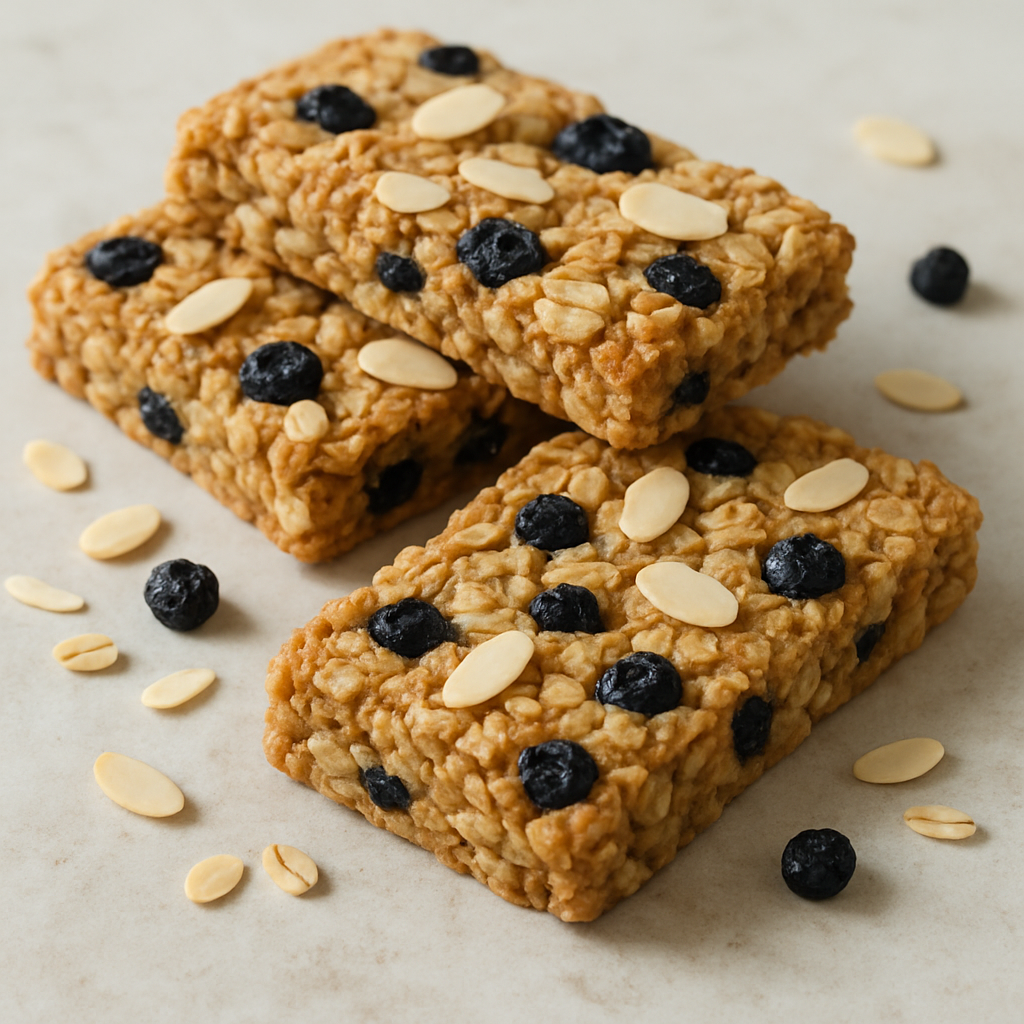
Soft-baked oat bars with almonds and dried blueberries on a light stone surface

Soft-Baked Oat Bars

Chewy whole-grain bars with nut and fruit texture—easy to keep in a desk drawer for steady afternoon energy.
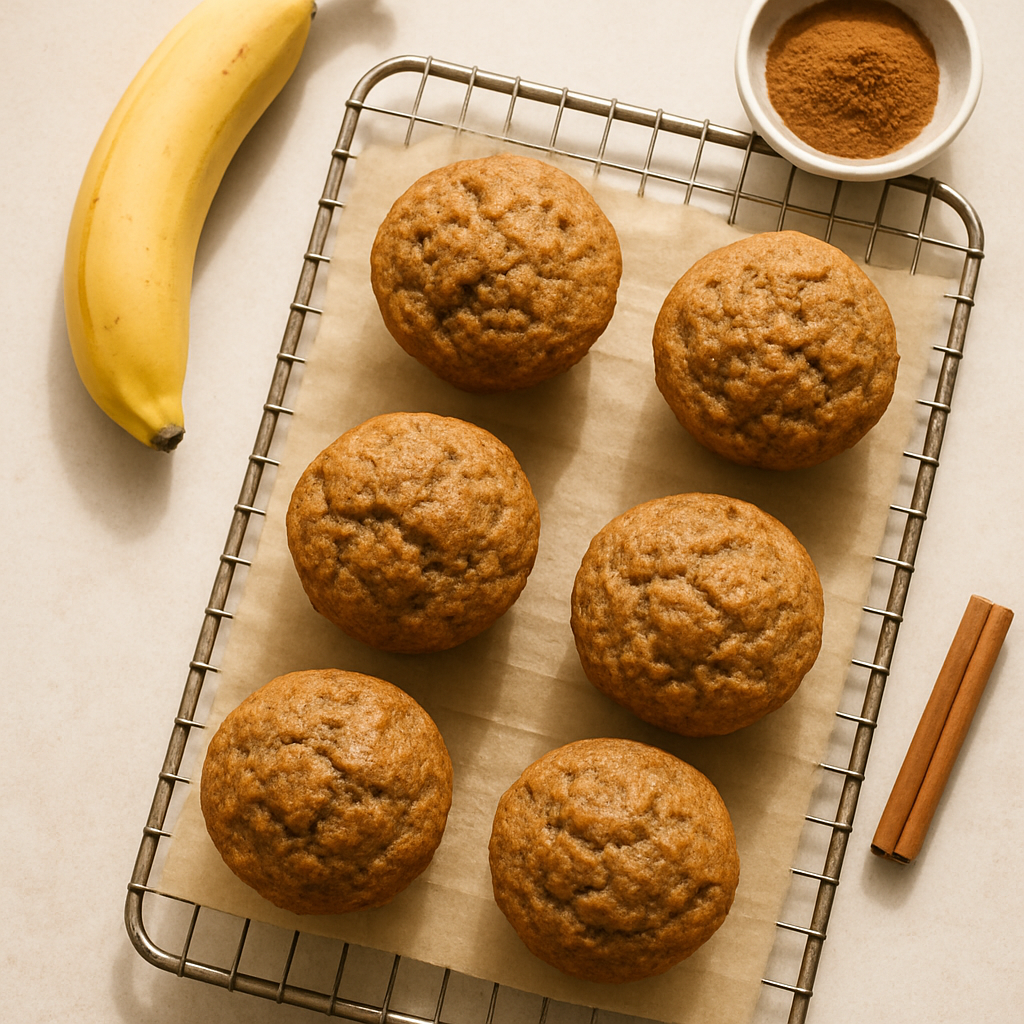
Whole-grain mini muffins with banana and cinnamon arranged on a cooling rack

Whole-Grain Mini Muffins

Portion-friendly muffins made for breakfast prep or lunchboxes, with familiar flavor and less sweetness overload.
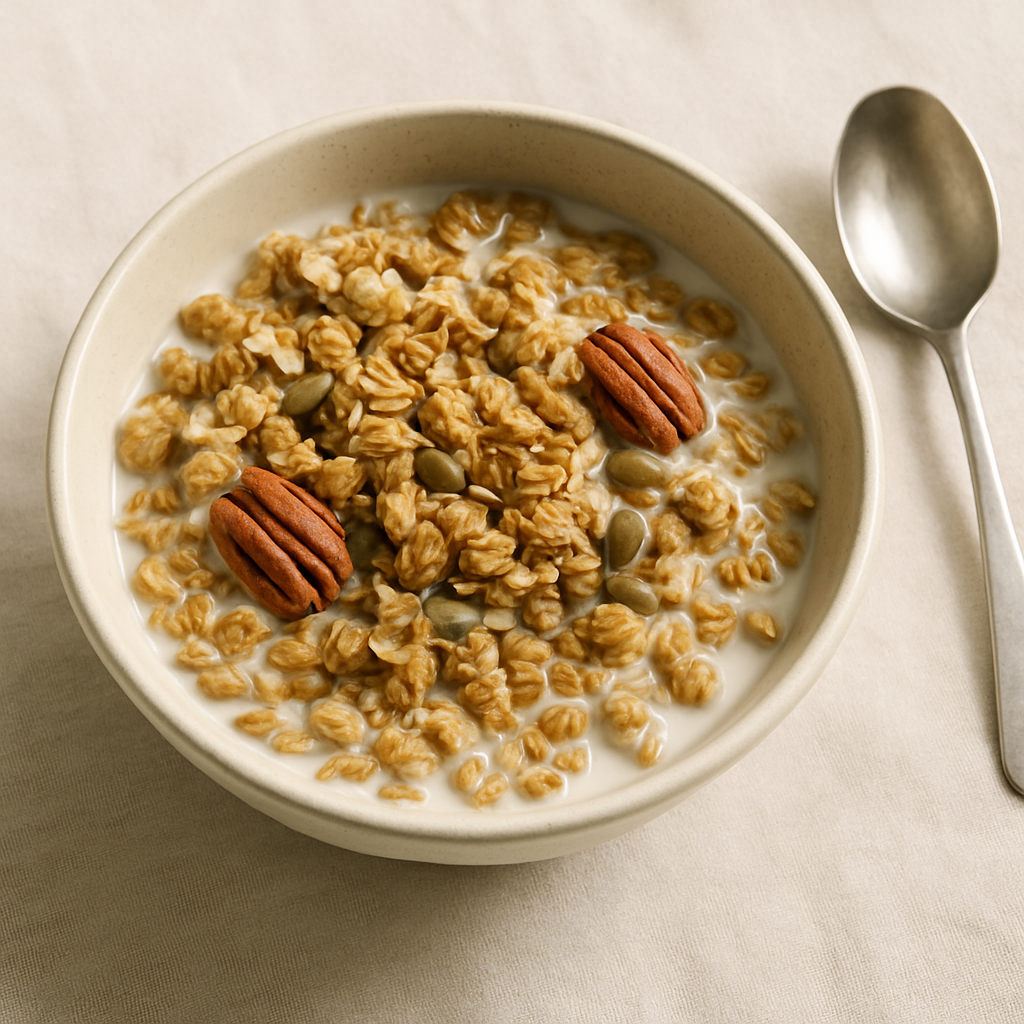
Crunchy granola cereal with oats, seeds, and pecans in a ceramic bowl with milk

Crunchy Granola Cereal

A crisp oat blend for yogurt bowls or quick breakfasts, with fiber-rich ingredients and simple pantry staples.
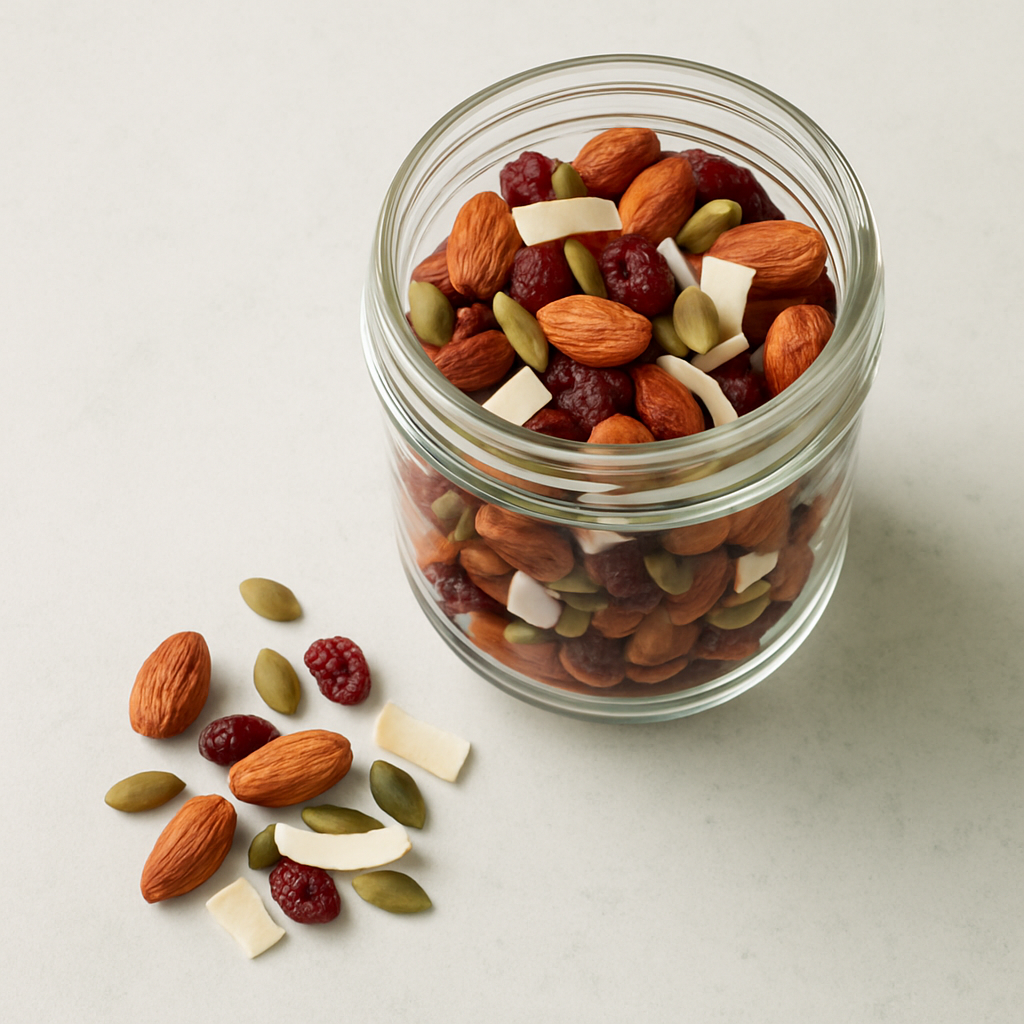
Trail mix with roasted almonds, pumpkin seeds, dried cranberries, and coconut chips in a glass jar

Fruit & Nut Trail Mix

A practical grab-and-go blend with crunch and natural sweetness for pre-commute or post-workout snack breaks.
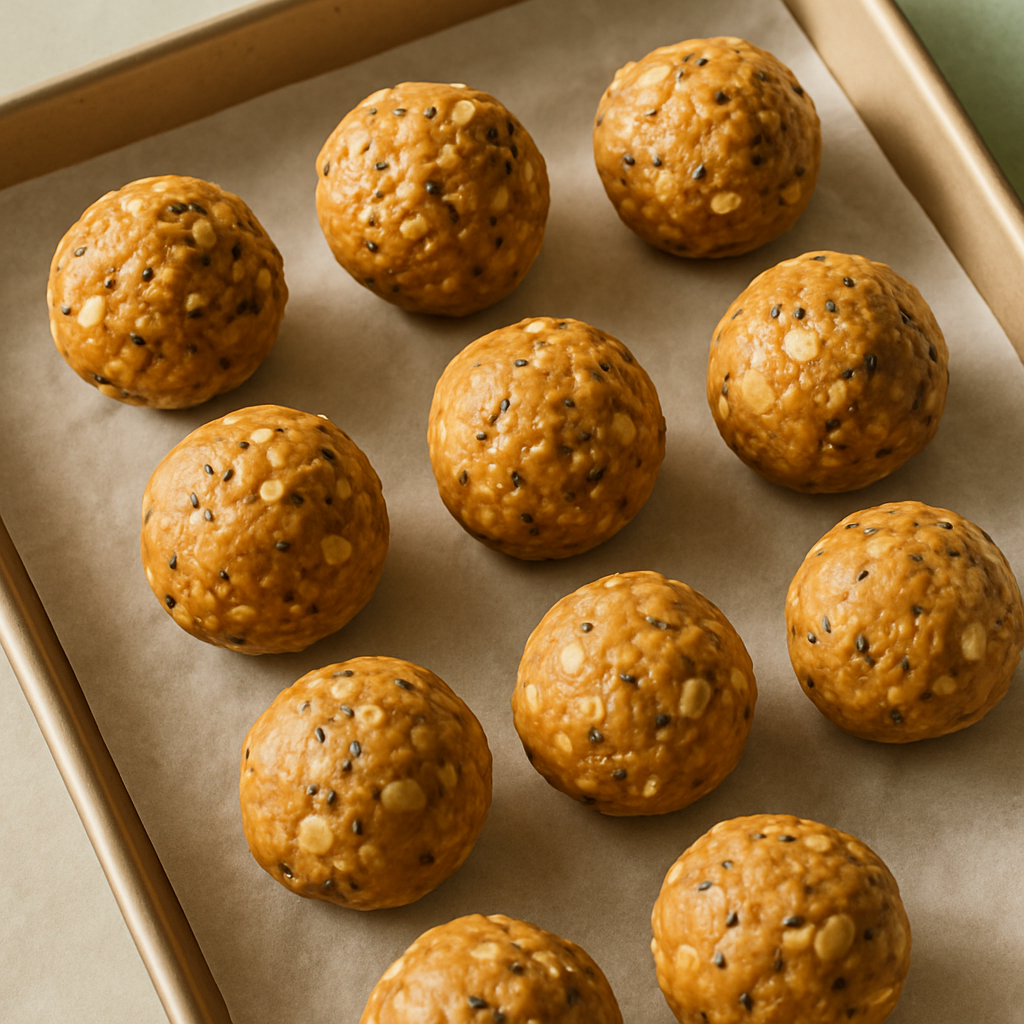
No-bake peanut oat energy bites with chia seeds on a parchment-lined tray

Peanut Oat Energy Bites

Small no-bake bites that pair protein and oats, ideal for a quick bridge between meals without feeling heavy.
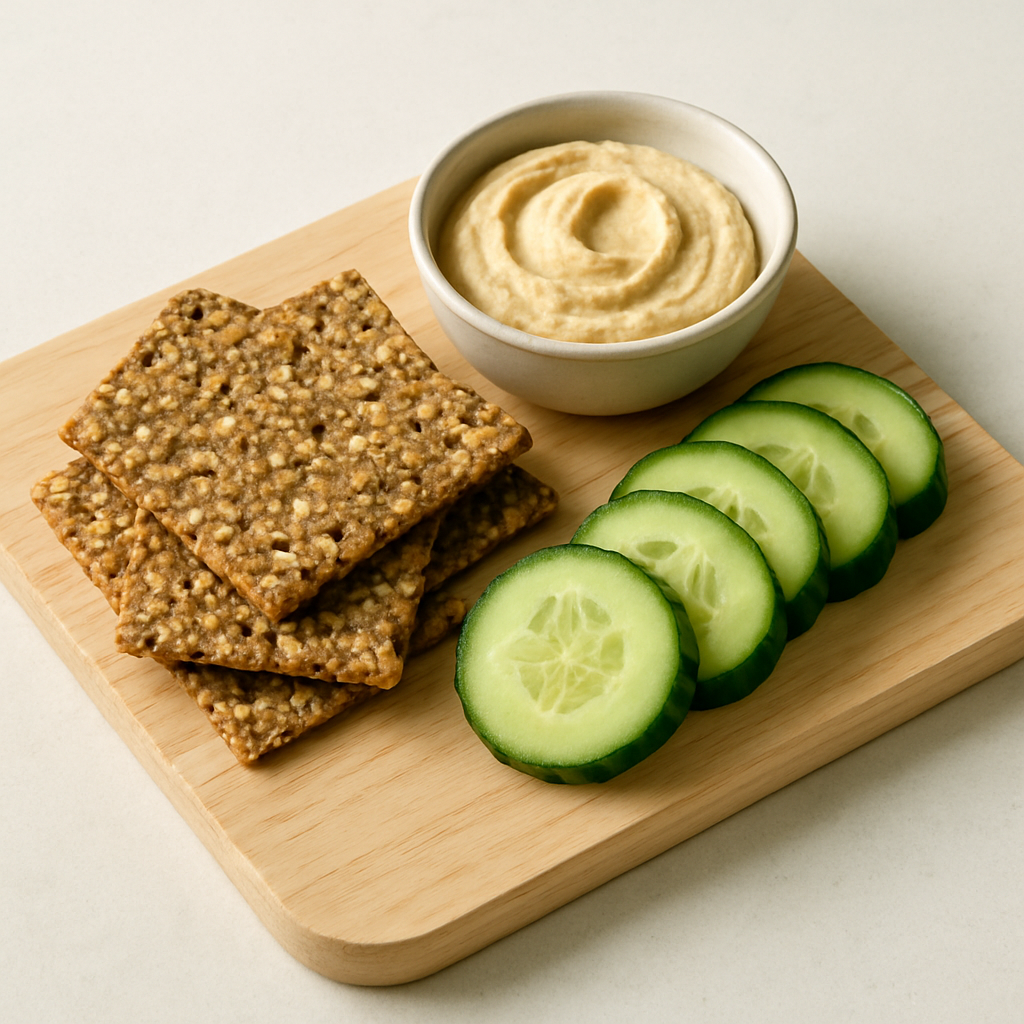
Seeded whole-grain crackers with hummus and sliced cucumber in a snack plate setup

Seeded Cracker Snack Pack

Crisp whole-grain crackers that pair well with dips, vegetables, or cheese for balanced afternoon snacking.

Wellness Learning Hub

Articles and workshops that support real-life wellness habits

Practical reads and guided sessions designed to keep health support approachable, useful, and judgment-free.

Expert Articles

3 topics

Balanced snacking without guilt

How to build snack routines that support energy and satiety throughout the day.

Balanced snacking without guilt

Balanced snacking comes down to shifting your mindset from restriction to satisfaction and sustained energy. When you approach snacks as a functional way to fuel your body rather than a ‘cheat,’ you remove the guilt and build healthier habits.

  1. 1. The Fiber + Protein + Healthy Fat Formula

    Instead of relying on single-nutrient snacks (like high-carb, low-fiber options that spike and crash your blood sugar), pair two or three components together:

    • Fiber: Keeps digestion steady and adds volume (e.g., berries, whole-grain crackers, cucumber slices, apple, air-popped popcorn).
    • Protein: Promotes fullness and repairs tissue (e.g., Greek yogurt, cottage cheese, hard-boiled eggs, edamame, roasted chickpeas).
    • Healthy Fat: Delays gastric emptying so you stay satisfied longer (e.g., almonds, pumpkin seeds, peanut butter, hummus, avocado).
  2. 2. Simple, Balanced Snack Pairings
    • Sweet & Satisfying: Apple slices with 1–2 tablespoons of natural peanut butter and a pinch of cinnamon.
    • Crunchy & Savory: Seeded whole-grain crackers paired with hummus or a slice of sharp cheddar and cucumber slices.
    • Quick & On-the-Go: Unsalted roasted almonds combined with dried cranberries or blueberries.
    • Protein-Packed: Plain Greek yogurt topped with a handful of high-fiber granola or chia seeds.
  3. 3. Mindful Snacking Strategies
    • Plate or Bowl Your Snack: Avoid eating directly out of large bags or containers. Serving a portion in a small bowl gives your brain a clear visual cue of what you are consuming.
    • Check In with Hunger: Ask yourself if you are physically hungry or reacting to stress, boredom, or fatigue. If it’s emotional, a glass of water, a quick stretch, or a short walk might be what your body actually needs.
    • Keep Steady Meal Timing: Spacing your meals 3 to 4 hours apart prevents extreme hunger, which is the main trigger for rushed, impulsive snacking.

Reading Nutrition Labels Accurately

Step-by-step guidance to decode nutrition facts panels and make informed food choices quickly.

Reading Nutrition Labels Accurately

Understanding how to read a nutrition label allows you to make informed, deliberate food choices without falling for clever front-of-package marketing. Here is a simple, step-by-step guide to decoding any nutrition facts panel quickly and accurately.

  1. 1. Start with the Serving Size
    • The Reality Check: All nutrient information listed on the label applies to one single serving, not necessarily the entire package or bottle.
    • Do the Math: If a bag contains 3 servings and you eat the whole bag, you need to multiply all calories, grams of fat, and sugar amounts by 3.
  2. 2. Check the Total Calories
    • Calories measure how much energy you get from a single serving of the food.
    • Look at calories in relation to the serving size to determine if it aligns with your daily energy needs.
    • High-calorie density isn't inherently bad, but knowing the serving size helps prevent unintended overconsumption.
  3. 3. Identify Nutrients to Prioritize
    • Focus on nutrients that support long-term health, digestion, and satiety:
    • Dietary Fiber: Aim for foods higher in fiber (ideally 3g or more per serving). Fiber aids digestion, keeps blood sugar stable, and helps you stay full longer.
    • Protein: Look for adequate protein to support muscle repair and sustained energy, especially in snacks and main meals.
    • Micronutrients: Check for key vitamins and minerals like Vitamin D, Calcium, Iron, and Potassium.
  4. 4. Spot Nutrients to Limit
    • Keep an eye on components that are easy to overconsume:
    • Added Sugars: Distinguish between Total Sugars (which include naturally occurring sugars in dairy or fruit) and Added Sugars (syrups or sweeteners added during processing). Aim to keep added sugars as low as possible.
    • Saturated & Trans Fats: Choose options low in saturated fats and completely free of trans fats.
    • Sodium: Pay attention to sodium levels, particularly in canned goods, sauces, and packaged savory snacks.
  5. 5. Use the % Daily Value (%DV) Benchmark
    • The % Daily Value (%DV) shows how much a nutrient in a serving contributes to a daily diet (based on a standard 2,000-calorie daily baseline).
    • 5% DV or less is considered Low. Use this rule for nutrients you want to limit (like saturated fat, sodium, and added sugars).
    • 20% DV or more is considered High. Use this rule for nutrients you want more of (like fiber, protein, calcium, and vitamin D).
  6. 6. Scan the Ingredients List
    • Ingredients are listed in descending order by weight. The first three to four ingredients make up the majority of the food item.
    • Look for Whole Foods: Aim for products where whole grains, whole vegetables, or lean proteins are listed first.
    • Watch for Hidden Sugars: Sugar goes by many names—such as high-fructose corn syrup, cane juice, maltodextrin, dextrose, agave nectar, or brown rice syrup. If multiple forms of sugar appear early in the list, the item is high in sweetening agents.

Weekend energy planning sprint

Plan simple breakfasts and snack pairings for a calmer, more focused week.

Weekend Energy Planning Sprint

The Weekend Energy Planning Sprint is a 20-minute planning ritual designed to set your nutrition, meal timing, and energy levels up for success ahead of the busy workweek.

  1. 1. Step 1: Audit Your Week Ahead (5 Minutes)
    • High-Stress/Busy Days: Pinpoint days with back-to-back meetings, travel, or early workouts where meal times might get pushed.
    • The 2:00 PM Slump Risk: Mark afternoons where you know you will need sustained focus and cannot afford a post-lunch sugar crash.
  2. 2. Step 2: Map Your Core Fuel Anchors (10 Minutes)

    Instead of full-scale meal prepping, focus on preparing basic building blocks for the Protein + Fiber + Healthy Fat formula.

    • Batch a Protein: Hard-boil a dozen eggs, cook a batch of edamame, or roast chickpeas.
    • Prep Fiber & Hydration: Chop fresh cucumber slices, bell peppers, or keep fresh berries washed and front-and-center in the fridge.
    • Stock Healthy Fats: Portion unsalted almonds, pumpkin seeds, or single-serve natural peanut butter packs for quick grab-and-go access.
  3. 3. Step 3: Pre-Plan 2–3 Go-To Pairings (5 Minutes)

    Decide on 2 or 3 quick snack and breakfast combinations so you don't have to make decisions under stress.

    • Steady Breakfast: Greek yogurt topped with chia seeds and raw sunflower seeds.
    • Mid-Day Focus Snack: Apple slices paired with natural almond butter and a pinch of cinnamon.
    • Crunchy Afternoon Fuel: Whole-grain seeded crackers paired with hummus or sharp cheddar cheese.

Wellness benefits

Fast proof of practical support

Short, everyday wins that help wellness feel approachable, steady, and realistic.

Healthier everyday choices

Simple snack and routine ideas make better decisions easier to repeat.

Supportive guidance

Encouraging, non-judgmental advice keeps progress realistic and stress-light.

Practical wellness tools

Programs, articles, and workshops turn good intentions into clear next steps.

Balanced routine momentum

Small, consistent actions help habits feel steady without all-or-nothing pressure.

Workout tracker support

20-minute Better Body Workout Log

Open the tracker panel to log your sessions and keep steady momentum with quick, practical check-ins.

Open tracker

If the tracker does not load, open the workout tracker in a new tab .

Member Stories

Support that feels practical, kind, and real

People in our community share small, steady wins from using our resources, workshops, and snack guidance in everyday life.

I stopped trying to do everything at once. The weekly tips gave me simple steps I could actually keep up with.

Maya

Used the beginner wellness challenge for 6 weeks

The articles felt encouraging instead of strict. I learned how to plan snacks better without feeling judged.

Jordan

Reads expert guides and shops from the snack picks

Joining one live workshop made the whole process less overwhelming. I left with a plan I still use each week.

Elena

Attends monthly workshops and follows meal-prep checklists

FAQ

Common questions

Quick answers to help you understand how our wellness hub supports your goals in a practical, non-judgmental way.

Who is Zest for Health Hub for?

It’s for anyone who wants realistic wellness guidance without pressure, whether you’re just starting or refining existing habits.

What kinds of programs and workshops can I explore?

You’ll find practical wellness programs, skill-based workshops, and short challenges focused on nutrition, routines, and sustainable progress.

How do snack recommendations fit into the wellness mission?

Snack picks are curated as convenient options that support better daily choices, alongside education that helps you understand the “why” behind them.

How can I contact the team if I need help?

Visit the contact section and send us your question—we reply with clear next steps.

What does a non-judgmental wellness approach look like here?

We focus on progress over perfection, give practical options instead of strict rules, and support choices that fit your real life.

Thanks for reaching out. We’ll reply shortly with supportive next steps.

We couldn’t send your message right now. Please try again in a moment.